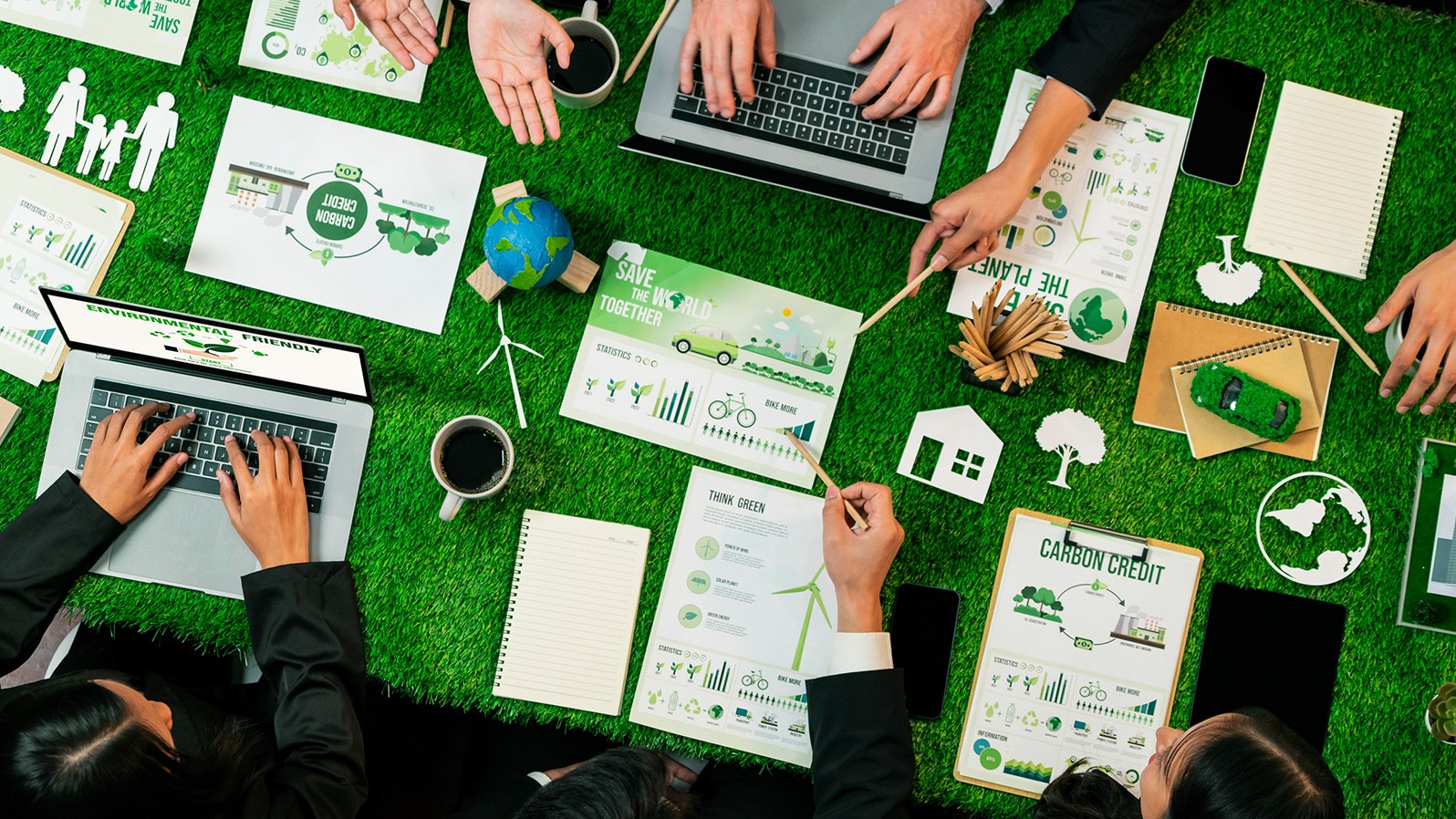
Designing marketing materials today means more than capturing attention — it means aligning creativity with responsibility. As brands strive to reduce their environmental footprint, traditional print and digital campaigns are being reimagined through eco-conscious lenses. The challenge lies in maintaining visual impact while minimizing resource waste and emissions. Fortunately, a new generation of design tools makes this not only possible but efficient. Choosing the right software can reduce material waste, optimize production processes, and reinforce your brand’s commitment to sustainability — an advantage increasingly valued by eco-aware consumers.
Figma: Collaborate Sustainably Across Teams
Figma’s cloud-native design infrastructure reduces reliance on high-performance hardware and localized storage, significantly cutting down energy use across distributed design teams. Because all work happens in the browser, multiple stakeholders can co-edit a file without saving endless versions. Its “single source of truth” workflow prevents duplication of assets and print runs, enabling consistent, low-waste creative development. Additionally, Figma’s component library system encourages reusable design elements — a principle at the core of both sustainability and scalability.
Marq: Sustainable Brand Management
Marq helps marketing teams build brand-approved materials efficiently, reducing overproduction and the waste associated with outdated marketing collateral. Its template-locking features ensure brand consistency while minimizing unnecessary redesigns or print reruns. By allowing on-demand digital downloads and localized versions, Marq limits unnecessary distribution and printing. The platform’s direct integration with digital asset management systems means companies can retire obsolete files instantly.
Vistaprint’s Green Printing Suite
For businesses that still rely on printed marketing materials, Vistaprint’s eco-friendly printing suite is an essential resource. The company offers recycled paper stocks, soy-based inks, and waterless printing technologies — all of which reduce environmental harm. The platform allows designers to upload files directly, ensuring fewer production errors and reprints. Vistaprint also partners with carbon-offset initiatives to neutralize emissions from shipping. For marketers seeking physical output without guilt, this suite provides a balanced path between tangibility and responsibility.
Affinity Publisher: Localized, Low-Energy Design
Unlike cloud-only tools, Affinity Publisher operates efficiently on local machines with minimal background energy consumption. Its one-time purchase model removes dependency on cloud servers and subscription systems that increase digital energy use. The software’s resource optimization and preflight checks ensure designers catch issues before print production, saving both time and materials. Affinity’s suite (Designer, Photo, and Publisher) provides an all-in-one, energy-efficient toolkit ideal for freelancers or small creative studios pursuing sustainable workflows.
Ecograder & Planetly: Measuring Digital Design Impact
Creating sustainable marketing materials goes beyond visual aesthetics — it includes evaluating digital emissions. Tools like Ecograder and Planetly allow designers and marketers to measure the carbon footprint of websites, digital campaigns, and design assets. Ecograder analyzes elements such as image size, hosting efficiency, and code weight, while Planetly provides organizational insights into the environmental cost of marketing activities. By quantifying impact, teams can make informed adjustments, such as optimizing images or choosing green hosting providers.
🎨 FAQ: Designing for Sustainability in Practice
Eco-friendly design tools are powerful, but how they’re used determines their impact. Below are practical answers to common questions marketers ask about sustainable design execution.
Q1: How can I ensure my printed materials are environmentally responsible?
Choose printers that use FSC-certified paper, waterless printing, or soy-based inks. Always proof digitally to minimize test prints and request recycled or biodegradable packaging for shipments.
Q2: What’s the easiest way to reduce my design’s carbon footprint?
Optimize image resolution for digital use, avoid unnecessary file duplication, and host assets on green-certified servers. Cloud-native tools like Figma and Adobe Express help eliminate redundant hardware processing.
Q3: Are there ways to repurpose designs across campaigns to reduce waste?
Yes — template-driven systems like Lucidpress or Adobe Express allow easy adaptation of existing materials. These platforms promote consistency while preventing redundant design efforts and material use.
Q4: What are some creative alternatives to traditional promotional giveaways?
Instead of plastic merchandise, explore digital or recyclable giveaways such as eco-certification guides, interactive PDFs, or printed materials on seed paper. Using Adobe Express, teams can even create a custom pillow using eco-friendly fabrics for unique, sustainable branding.
Q5: Can digital marketing ever be truly sustainable?
Digital marketing inherently consumes energy, but choosing low-impact tools and green hosting providers can significantly reduce emissions. Continuous optimization and performance monitoring using tools like Ecograder keep campaigns eco-efficient.
Creating eco-friendly marketing materials is no longer a niche practice — it’s a design standard. From Adobe Express’s reusable digital templates to Figma’s collaborative workspace and Vistaprint’s green print options, the tools available today make sustainable design both accessible and practical. The future of marketing belongs to brands that blend creativity with environmental consciousness. By integrating sustainable platforms into everyday workflows, businesses not only preserve resources but also communicate a clear message: innovation and responsibility go hand in hand.
